

We don't lack schedules - we lack insights.
That’s how a Head of Planning recently described the state of project reporting. And it perfectly captures the challenge many organizations face today. Most capital-intensive organizations have invested heavily in scheduling tools like Primavera P6 and Microsoft Project. Yet despite thousands of activities, detailed logic, and regular updates, leadership teams still struggle to answer basic questions:
- Are we trending toward delay?
- Where is schedule risk actually building?
- How confident is our forecast?
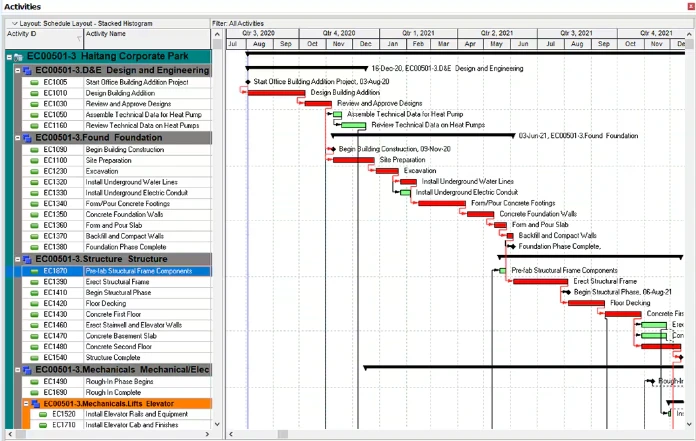
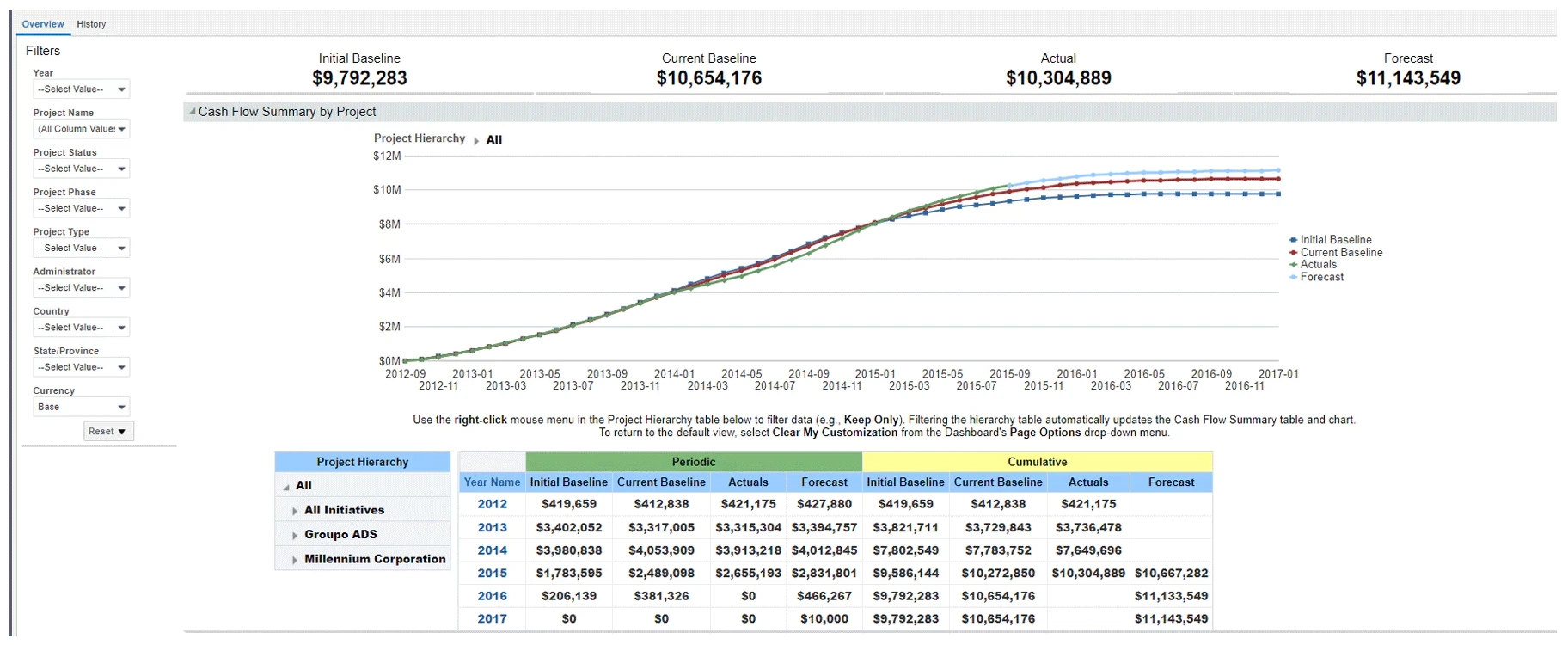
The issue isn’t the schedule. It’s what happens after the schedule is built. Planning engineers spend a disproportionate amount of time:
extracting data from scheduling tools, exporting it to Excel and PowerPoint, fixing broken formulas and layouts, and explaining what already happened instead of forecasting what’s coming.
When you’re managing multiple projects, this problem compounds quickly. Valuable planning effort is consumed by reporting mechanics rather than insight generation.
The Core Problems Behind the Reporting Gap
- Most reports depend on custom layouts, filters, and spreadsheets built by individuals. As a result, teams rely heavily on the one planner who knows the report, minor schedule changes break formats and formulas, and reporting becomes slow, inconsistent, and risky.
- No standardization across projects: It’s common to see, every project reporting differently, the same KPI calculated in multiple ways, and no reliable enterprise-level view of schedule health. This makes meaningful comparison—and executive decision-making—nearly impossible.
- Reports Are Built for Planners, Not Executives. Most outputs remain activity-level: Gantt charts are too detailed for senior stakeholders, trends and risks are buried in data, and reports must be reworked again into PowerPoint or Excel to be understood. The result: leaders get information, but not insight.
When schedules are analyzed systematically rather than manually reported, teams shift from explaining the past to anticipating the future. Decisions become proactive instead of reactive. Delays are addressed earlier—before they turn into claims.
Looking for more insights from your schedule and project data?
Contact us for a personalized meeting